Updated July 2026: BC rebate rules changed July 6, 2026. Some rebate figures in this guide may be outdated. Read the July 2026 rule changes breakdown →
Ductless mini-splits are the single most popular heat pump we install in Surrey — and for good reason. They bring efficient heating and cooling to homes that never had ducts, install in a day or two, and let you control comfort room by room. This guide explains how they work, how to size them, what they cost, and when they're the right call versus a ducted system.
What a ductless mini-split actually is
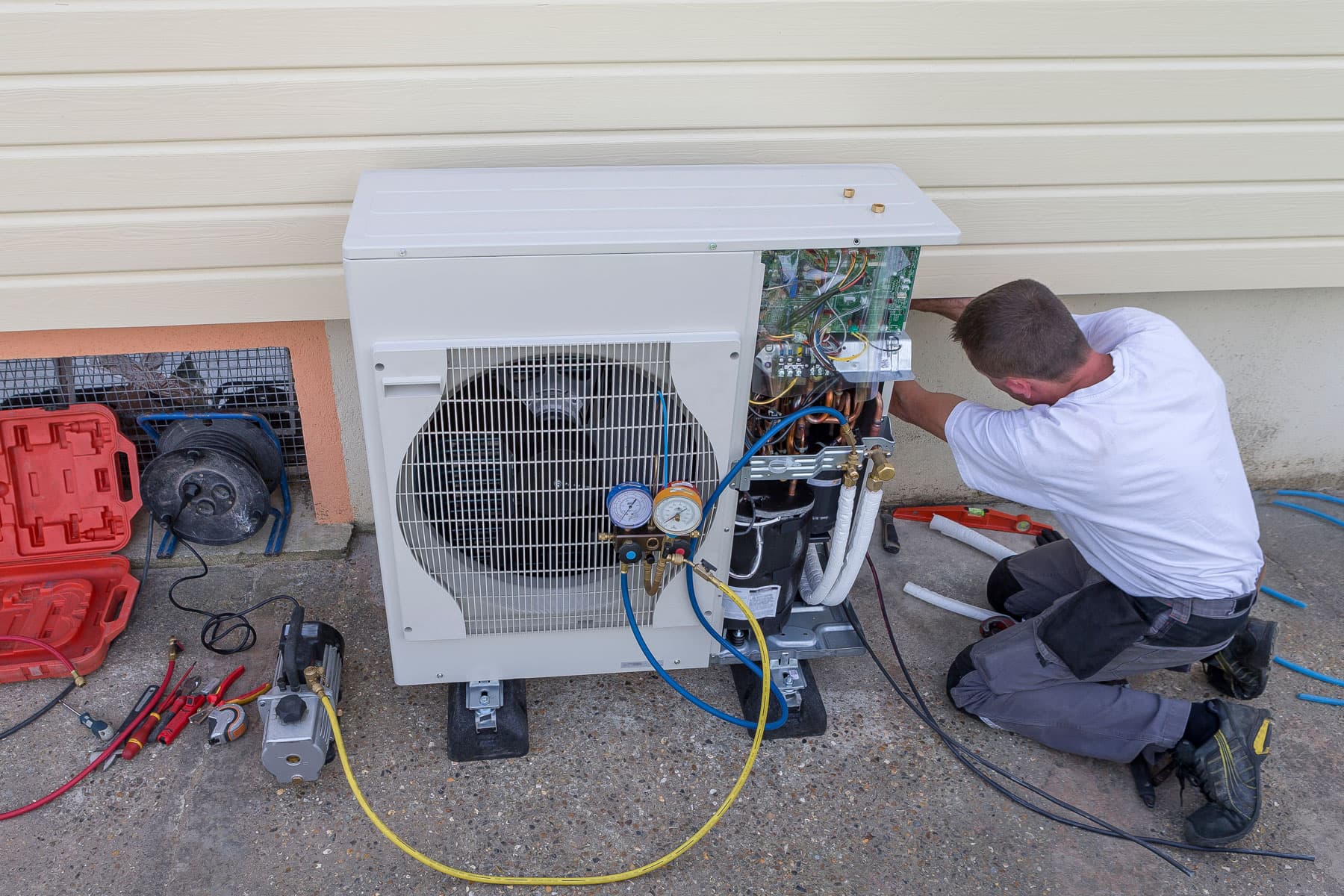
A mini-split has two main parts: an outdoor unit (the compressor and heat exchanger) and one or more indoor heads that deliver conditioned air straight into your rooms. They're joined by a slim conduit carrying a refrigerant line, power, and a condensate drain — which only needs a small (~3 inch) hole through the wall. No ducts, no major renovation.
Not sure how much you'd get?
Answer six quick questions and our free calculator estimates your exact rebate in seconds.
How it works
Like all heat pumps, a mini-split moves heat rather than burning fuel. In winter it pulls heat from the outdoor air (yes, even cold air holds heat) and releases it inside; in summer it reverses, pulling heat out of your home. Because it's just moving heat, it delivers far more energy as warmth than it consumes in electricity. For the deeper winter explanation, see do heat pumps work in cold weather?
Single-zone vs multi-zone
Single-zone
One outdoor unit, one indoor head. The most efficient and affordable option, perfect for an open living area, a condo, a master bedroom, or a basement suite.
Multi-zone
One outdoor unit feeding several indoor heads (commonly 2–5, up to ~8). Independent control in each room, ideal for whole-home comfort without ducts.
More heads isn't automatically better
Indoor head styles
- Wall-mounted — the most common and affordable; slim and quiet.
- Ceiling cassette — recessed into the ceiling for a discreet, four-way airflow look.
- Floor console — sits low on the wall, great where high walls or sloped ceilings rule out a standard head.
- Slim/concealed duct — a short hidden duct feeding two or three nearby rooms from one head.
Is a mini-split right for your home?
A ductless system is usually the best fit when:
- Your home has no ductwork, or only partial/old ducts (common in older Surrey, White Rock & New West homes).
- You want to heat or cool specific rooms — a top floor that overheats, a chilly addition, or a basement suite.
- You're adding air conditioning and don't want the cost of installing ducts.
- You want zoned control so you're not paying to condition empty rooms.
Ductless vs ducted: the honest trade-off
| Factor | Ductless mini-split | Central ducted |
|---|---|---|
| Needs ducts? | No | Yes |
| Zoned control | Excellent | Limited (without extra zoning) |
| Install disruption | Minimal | Higher if adding ducts |
| Whole-home evenness | Very good with right design | Seamless |
| Visible indoor units | Yes (heads) | No (vents only) |
If you already have solid ducts, a central system is worth comparing. Our best heat pumps guide covers brand choices for both types.
Costs & rebates
A single-head ductless system typically runs about $6,000–$9,000 installed, with each additional zone adding roughly $3,000–$4,000. Cold-climate ductless systems qualify for BC rebates — up to $8,000 for electric-heat homes (no income test) or up to $16,000 for income-qualified households. Full numbers are in our cost guide and rebate guide.
What a good install looks like
Refrigerant work is where corners get cut
A proper job includes a heat-loss calculation to size each zone, smart placement of heads for even airflow, a weatherproof outdoor unit location, clean line-set routing, full commissioning, and a walkthrough of the controls before we leave. See our ductless mini-split service for what's included.
Thinking about a ductless system?
We'll assess your home, recommend the right number of zones, and give you a clear quote with rebates included. Free and no obligation.