Updated July 2026: BC rebate rules changed July 6, 2026. Some rebate figures in this guide may be outdated. Read the July 2026 rule changes breakdown →
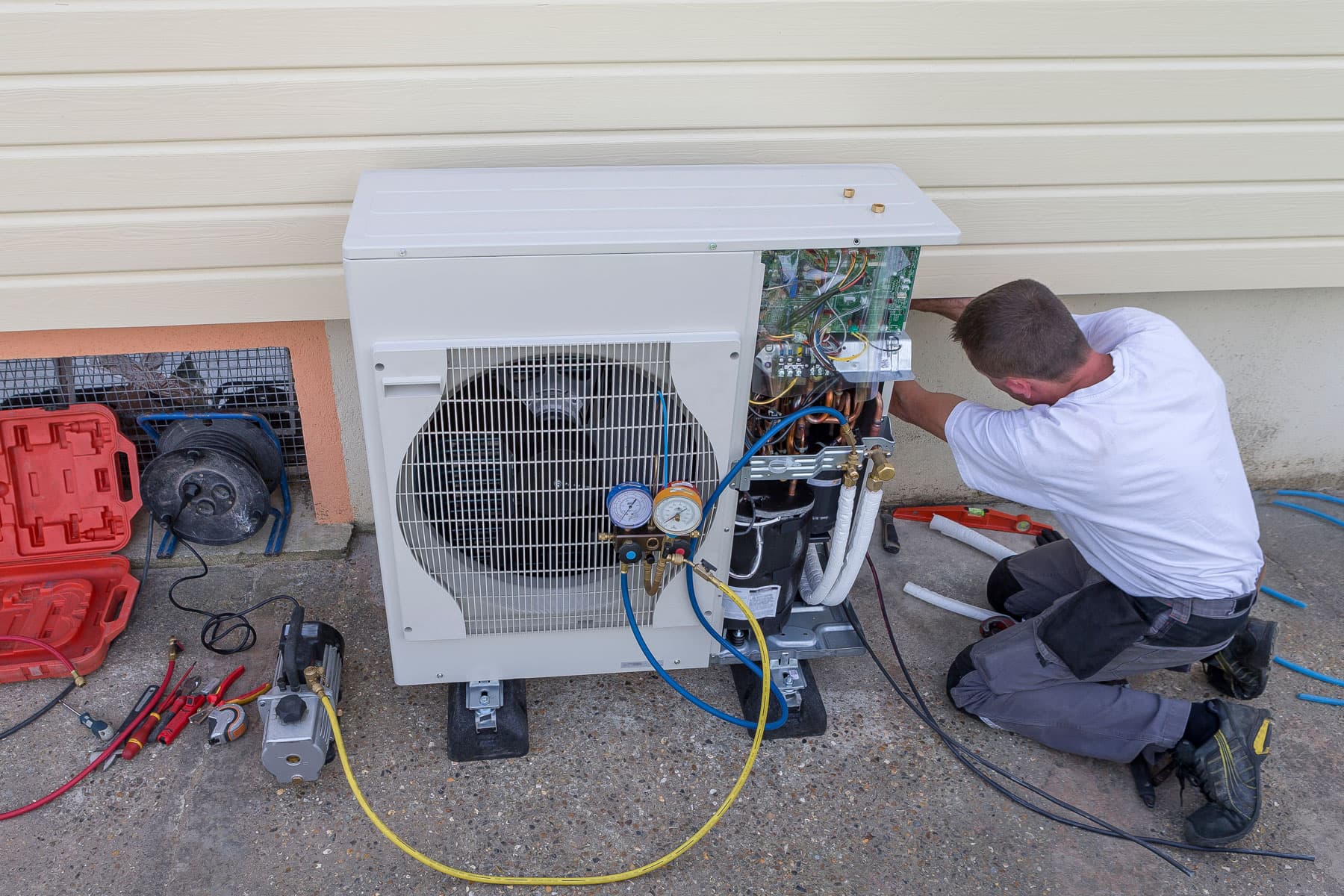
"How much does a heat pump cost?" is the first question almost every Surrey homeowner asks us — and the honest answer is that it depends on a handful of things you control and a few you don't. This guide gives you real 2026 price ranges for the Lower Mainland, explains exactly what moves the number up or down, and shows what you actually pay once BC rebates are applied.
We install heat pumps across Surrey, White Rock, Langley, and Metro Vancouver every week, so these are grounded, real-world numbers — not national averages that don't reflect our market.
The short answer
For a typical Surrey home in 2026, a professionally installed heat pump costs roughly:
- $6,000–$9,000 for a single-zone ductless mini-split (one room or open area).
- $9,000–$13,000 for a two-zone ductless system.
- $14,000–$25,000 for a whole-home ducted or three-to-four-zone multi-split cold-climate system.
Those are before rebates. With BC's programs, the net cost can drop dramatically — in some cases to near zero for income-qualified households. More on that below.
Not sure how much you'd get?
Answer six quick questions and our free calculator estimates your exact rebate in seconds.
2026 price ranges by system type
Here's how the main system types compare for a standard Surrey detached home or townhouse. Prices are installed, before rebates, and assume a quality cold-climate unit that qualifies for BC incentives.
| System type | Typical installed price | Best for |
|---|---|---|
| Single-head ductless | $6,000–$9,000 | One room, condo, or open living area |
| Two-head multi-split | $9,000–$13,000 | Two zones — e.g. living area + bedrooms |
| Three/four-head multi-split | $14,000–$20,000 | Whole-home comfort without ducts |
| Central ducted heat pump | $15,000–$25,000 | Homes with existing ductwork |
| Heat pump water heater (add-on) | $3,500–$6,000 | Replacing an electric or gas tank |
What actually drives the price
Two homes on the same street can get very different quotes. These are the factors that move the number:
- Number of zones / indoor heads. Each additional indoor unit adds equipment and labour. This is usually the biggest single driver.
- Capacity (tonnage). A larger home needs more heating and cooling output, which means a bigger — and pricier — system.
- Brand and tier. Premium cold-climate lines (Mitsubishi Hyper-Heat, Daikin Aurora, Fujitsu XLTH) cost more than entry-level units but run quieter and last longer.
- Electrical panel. If your panel is full or under-sized, a service upgrade may be needed (often rebate-eligible, but a real line item).
- Install complexity. Long refrigerant line runs, difficult outdoor unit placement, or extensive ductwork modifications add labour.
A rough rule of thumb
What you actually pay after rebates
This is where heat pumps get genuinely affordable in BC. The rebate you qualify for depends on what you heat with now and your household income:
- Electric-heat homes: up to $8,000 combined (CleanBC + BC Hydro) with no income test.
- Income-qualified households (incl. gas homes): up to $16,000 through the CleanBC Energy Savings Program, sometimes more with water-heater and panel top-ups.
So a $14,000 multi-zone system might net out at $6,000 — or close to nothing for a qualifying income-tested household. The full breakdown, income thresholds, and the home-value cap that trips up Surrey homeowners are in our complete BC rebate guide.
Don't let a low price disqualify your rebate
Hidden costs to watch for
A complete, honest quote should already include these. If a quote looks suspiciously low, check whether it covers:
- A proper heat-loss calculation (CSA-F280) so the system is sized correctly, not guessed.
- Electrical work and any required panel/service upgrade.
- Removal and disposal of your old equipment.
- Refrigerant line sets, condensate drainage, and wall penetrations sealed properly.
- Permits and commissioning/testing after install.
- Rebate paperwork handled for you, end to end.
Why the cheapest quote can cost the most
The lowest bid often wins by cutting the things you can't see. An undersized system short-cycles and wears out early. An oversized one runs inefficiently and costs more to operate. A non-qualifying unit forfeits your rebate. And a sloppy refrigerant install can fail within a few years. The right question isn't "who's cheapest?" — it's "who's giving me the right system, installed properly, with every rebate captured?"
Upfront cost vs running cost
A heat pump's sticker price is only half the story. Because it moves heat rather than burning fuel, a modern unit delivers roughly 3–4 units of heat for every unit of electricity — far more efficient than a gas furnace or baseboards. For most Surrey homes that means lower monthly bills, and it replaces your air conditioning too. We break down the year-by-year math in our heat pump vs gas furnace comparison.
Three real Surrey examples
1. Condo in Whalley, single head
One wall-mounted unit for an open-plan living area. Installed price ~$7,500. Heating and cooling in one tidy system, with rebate eligibility through BC Hydro's condo program.
2. Baseboard townhome in Cloverdale, two heads
Two-zone ductless at ~$11,500 installed. As an electric-heat home, they stack up to $8,000 in no-income-test rebates — net cost around $3,500 for whole-home comfort.
3. Gas-furnace house in Newton, central ducted
A central cold-climate heat pump using existing ducts at ~$19,000. Income-qualified at Level 3, they receive up to $10,500, bringing the real cost down to roughly $8,500 — and they drop their gas bill.
The honest bottom line
Want a real number for your home?
We'll assess your home, size the right system, and give you a clear written quote — with the rebate math already done. No cost, no obligation.