Updated July 2026: BC rebate rules changed July 6, 2026. Some rebate figures in this guide may be outdated. Read the July 2026 rule changes breakdown →
It's the question every Surrey homeowner faces when their furnace is on its last legs: replace it with another gas furnace, or switch to a heat pump? Both will keep you warm. But once you look at running costs, rebates, carbon tax, and what each system actually does, the picture gets a lot clearer. Here's the honest comparison, with real BC numbers.
The quick verdict
For the large majority of Lower Mainland homes, a heat pump is the better long-term choice: lower running costs, far larger rebates, built-in air conditioning, and lower emissions. A gas furnace still makes sense in a few situations — very cheap installed cost up front, or a recently replaced furnace you want to keep using in a hybrid setup. The rest of this guide explains why.
Heat pump wins on
Efficiency, running cost, rebates (up to $16,000), summer cooling, emissions, and resale appeal.
Gas furnace wins on
Lowest upfront cost, very high heat output in extreme cold, and simplicity if you already have gas.
Not sure how much you'd get?
Answer six quick questions and our free calculator estimates your exact rebate in seconds.
Why efficiency changes everything
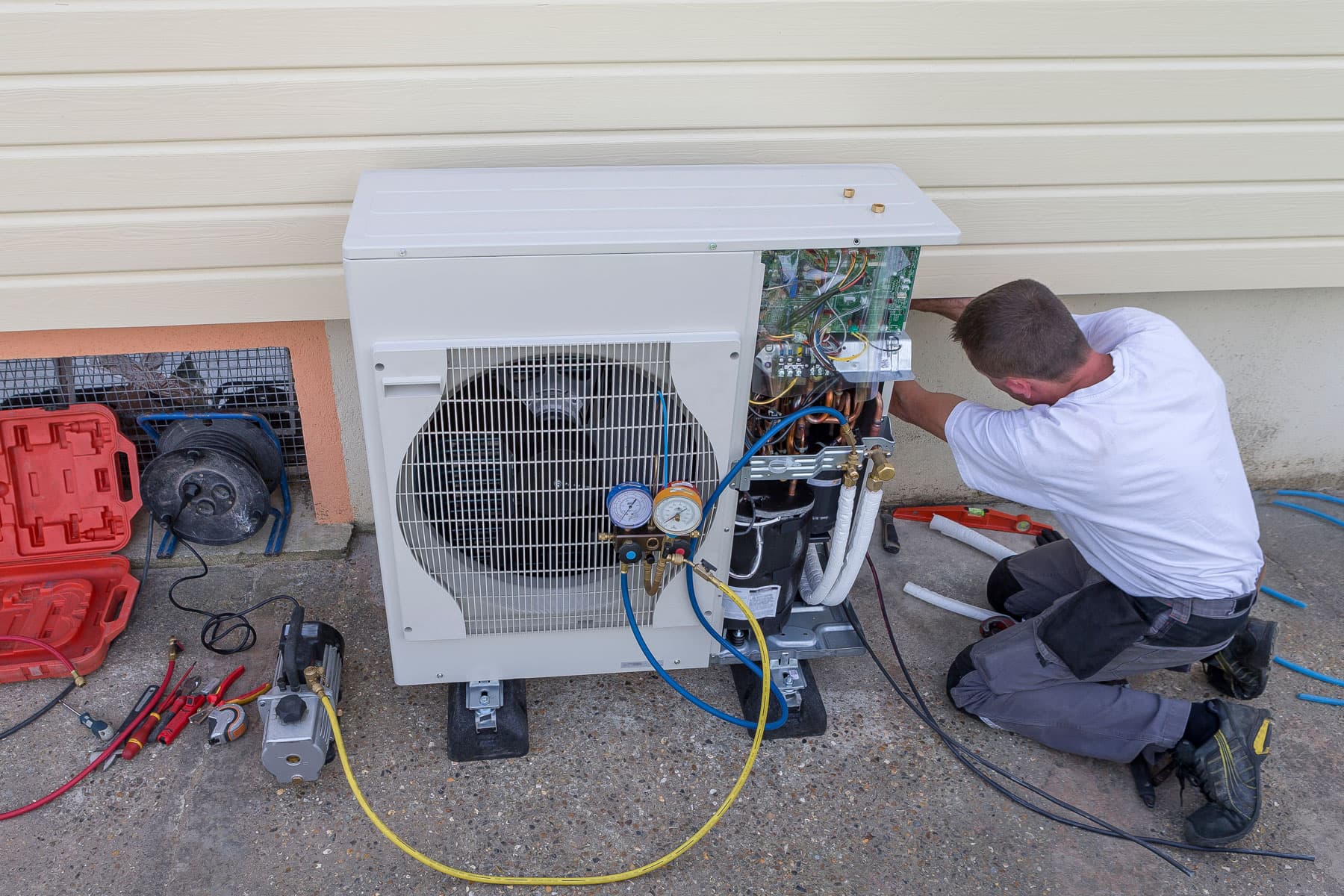
A gas furnace burns fuel to make heat. Even a high-efficiency furnace tops out around 96% efficient — you never get more energy out than you put in. A heat pump doesn't make heat; it moves heat from outside to inside. That lets it deliver roughly 300–400% efficiency (a COP of 3–4): three to four units of heat for every unit of electricity. That single fact is the foundation of the entire cost comparison.
Running costs compared
Natural gas is cheaper per unit of energy than electricity in BC. But the heat pump's efficiency more than makes up the difference for most homes. Here's the trade-off at a glance:
| Factor | Gas furnace | Heat pump |
|---|---|---|
| Efficiency | Up to ~96% | ~300–400% |
| Energy price | Cheaper per unit | Pricier per unit |
| Carbon tax | Applies, and rising | None on electricity |
| Provides cooling? | No (separate AC needed) | Yes, included |
| Fixed monthly charges | Gas connection fee | None (if gas removed) |
For a typical Surrey home, switching from gas to an efficient heat pump tends to lower or roughly hold total heating costs while adding free summer cooling — and the gap grows every time the carbon tax rises.
The carbon tax factor
BC has carried a carbon tax on natural gas for years, and the trend is upward. Every increase makes gas heating more expensive while leaving heat pump operating costs untouched (BC's electricity is overwhelmingly clean hydro). When you're comparing a furnace you'll keep for 15–20 years, you aren't just comparing today's gas price — you're betting on two decades of it.
Don't forget the connection fee
Comfort, cooling & air quality
A furnace delivers blasts of hot air, cycling on and off. A modern variable-speed heat pump runs gently and continuously, holding a steadier temperature with fewer cold spots. The biggest comfort difference, though, is summer: a heat pump is an air conditioner running in reverse. After the last few Lower Mainland heat waves, that's no small thing — and it means one system instead of two.
Upfront cost & rebates
A like-for-like gas furnace is usually cheaper to install than a heat pump. But two things change the math fast:
- Rebates. Heat pumps qualify for up to $8,000 (electric homes, no income test) or up to $16,000 (income-qualified). Furnaces don't come close.
- Avoided AC cost. A heat pump replaces a separate air conditioner, so compare it against "furnace + AC," not furnace alone.
For the full rebate breakdown and who qualifies, see our BC rebate guide, and for installed prices see our heat pump cost guide.
The hybrid (dual-fuel) option
If your furnace is newer, you don't have to throw it away. A dual-fuel setup pairs a heat pump with your existing furnace: the heat pump handles efficient heating and cooling most of the year, and the furnace only fires on the coldest days. You gain efficiency and air conditioning while keeping a backup. The trade-off is that staying on gas means you generally don't capture the full fuel-switch rebates.
A note for gas homes claiming rebates
Which is right for your home?
Choose a heat pump if…
You want lower long-term costs, summer cooling, the biggest rebates, and a future-proof system — and especially if you currently heat with electric baseboards.
Consider a furnace or hybrid if…
Your absolute priority is the lowest upfront cost, or your furnace is nearly new and you'd rather add a heat pump alongside it in a dual-fuel configuration.
The honest bottom line
Not sure which way to go?
We'll give you an honest, no-pressure comparison for your specific home — including the rebate math and a clear quote for each option.